To Protect, To Care. Mondiacult
Ministry of Culture, Government of Spain + UNESCO + CCIB
A Matter of Softness
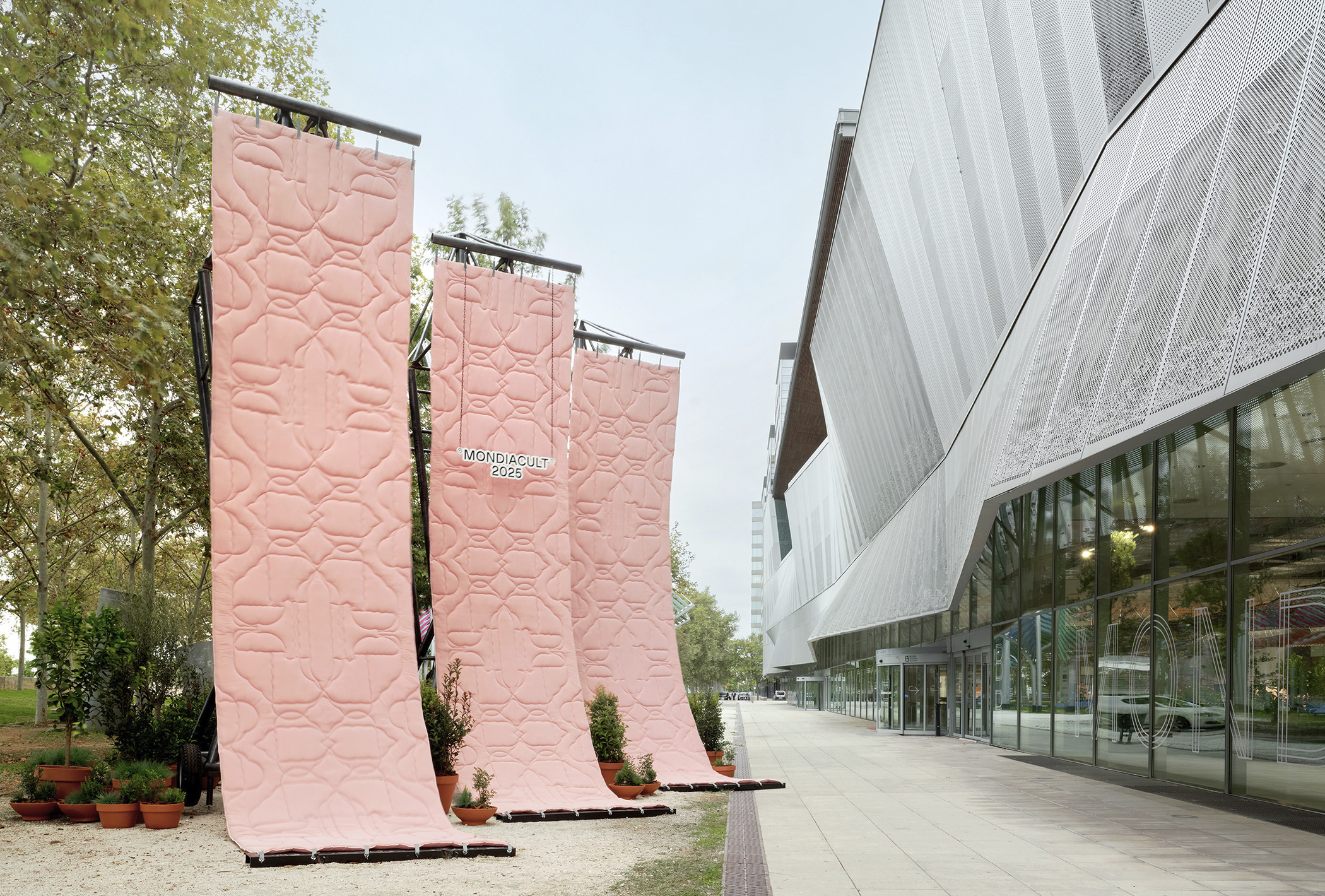
At a time when the combined pressures of climate change and ongoing military conflicts threaten monuments and historic architecture across the world, the spatial and graphic design of Mondiacult 2025 foregrounds the role of care in safeguarding heritage. Beyond the policies promoted by international institutions, it acknowledges the work of actors operating outside formal political frameworks. These include civilians mobilized through local communities, associations, and grassroots initiatives, as well as non-human agents that contribute to the resilience of heritage. Together, they exemplify softer and more dynamic strategies of protection.
Damage Control
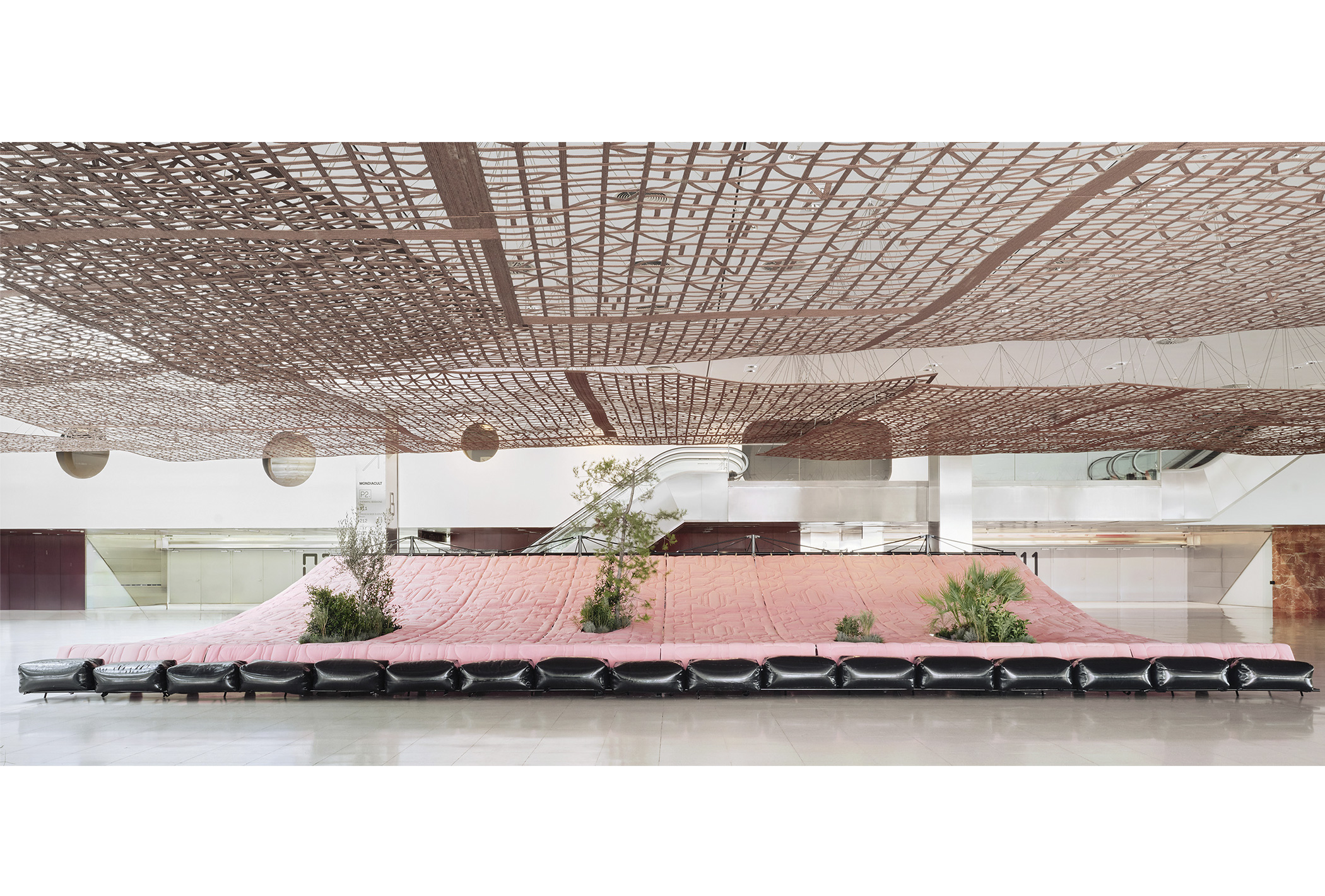
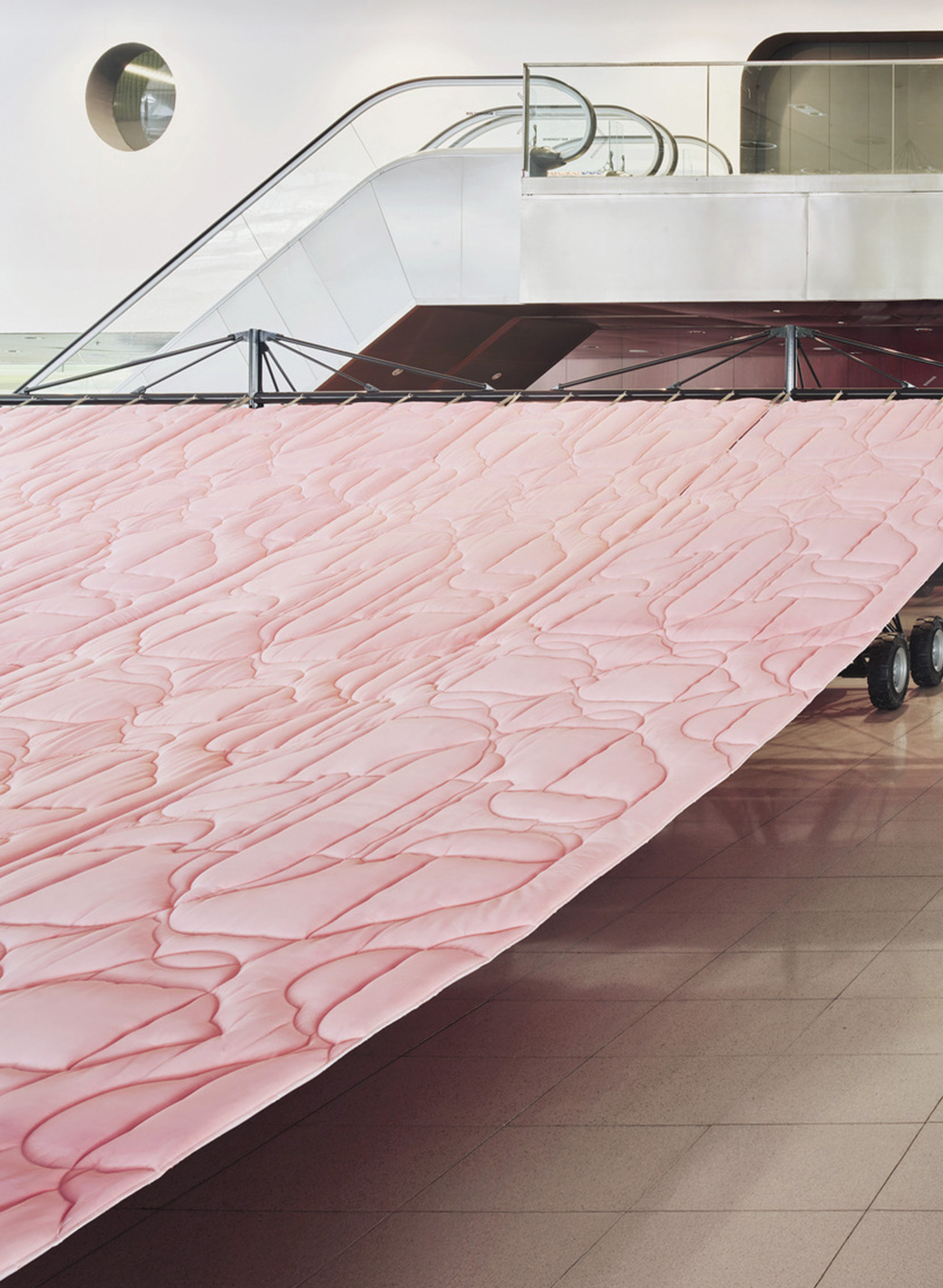
In many cases, civilians have joined forces with institutions to protect and preserve heritage. While institutions operate through bureaucratic frameworks, scientific expertise, and technical resources, grassroots practices rely on the improvised reuse of everyday objects. Among the most commonly used materials are mattresses and sandbags, whose padded or filled surfaces absorb explosions, reducing the impact of mortar fire and grenades.
Coexistence
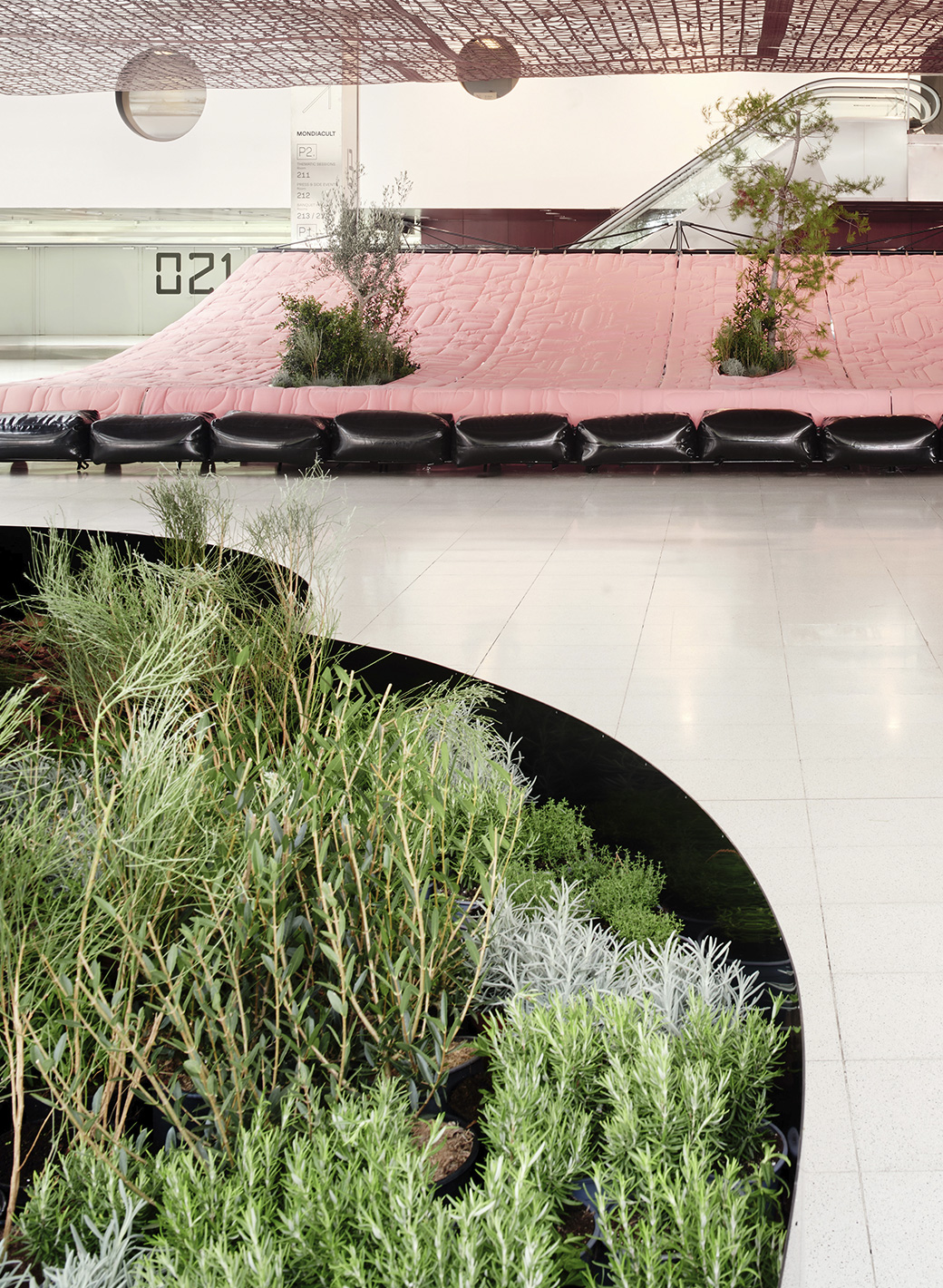
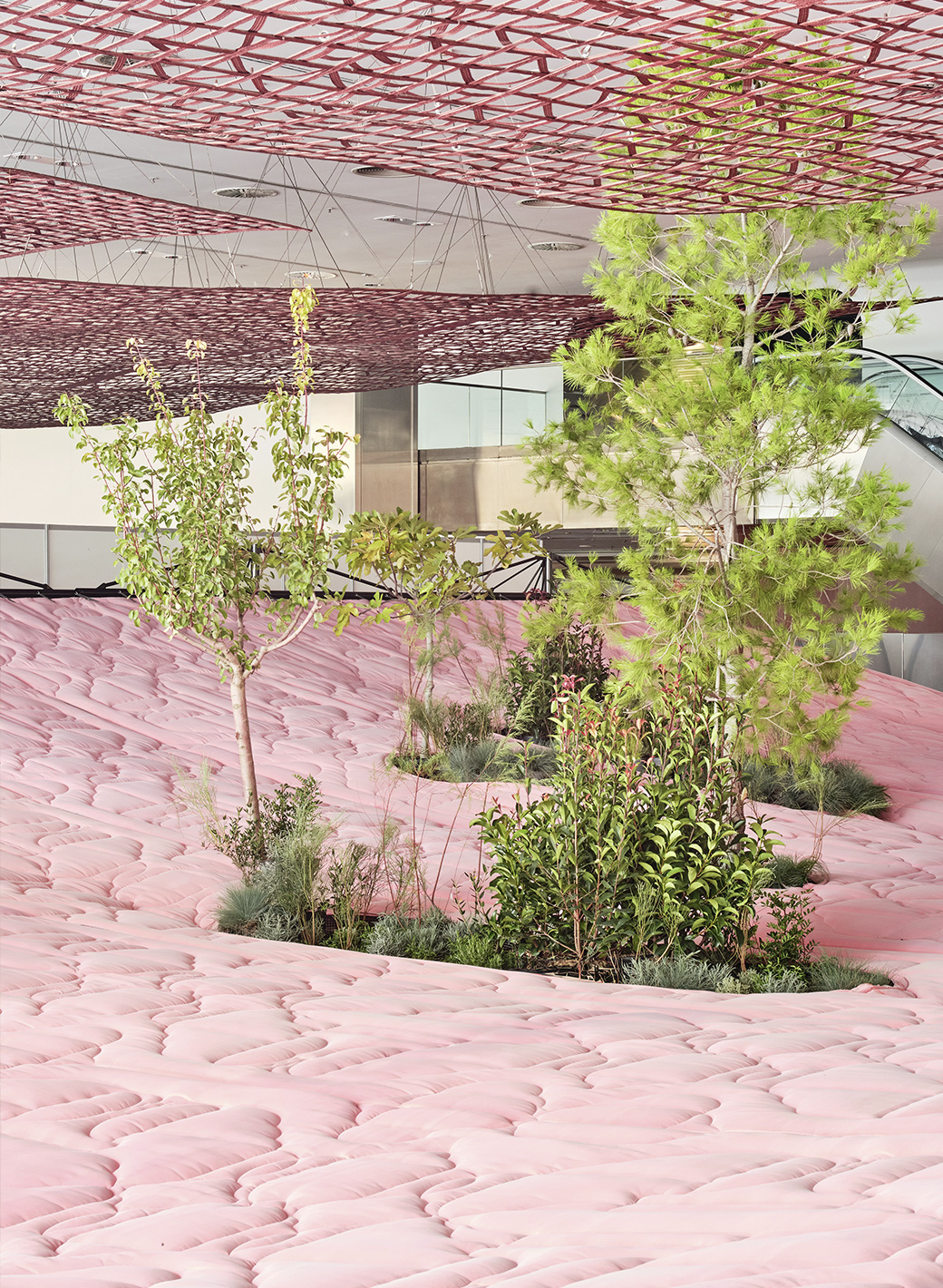
Just as textiles extend bodily protection to the scale of the monument, vegetation translates practices of care into ecological forms of coexistence. Roots stabilize fragile soils, canopies mitigate the intensity of sun, wind, and storms, while shade and moisture expand the conditions for life. Far from being a passive environment, plants function as active infrastructures of resilience, connecting monuments to cycles of growth, maintenance, and renewal. In this way, preservation becomes an interdependent process in which heritage survives as a living landscape.
An Infrastructure for Care
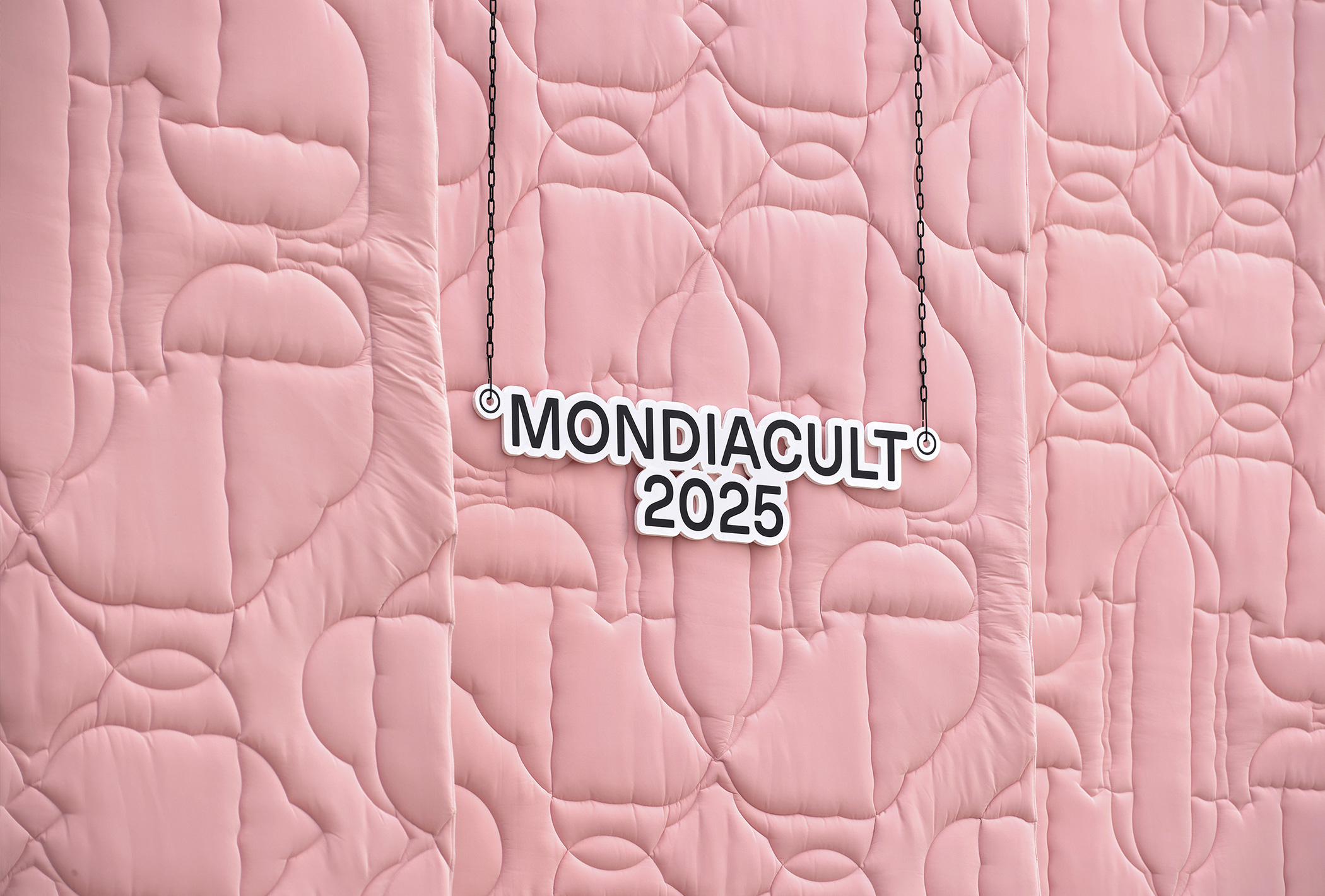
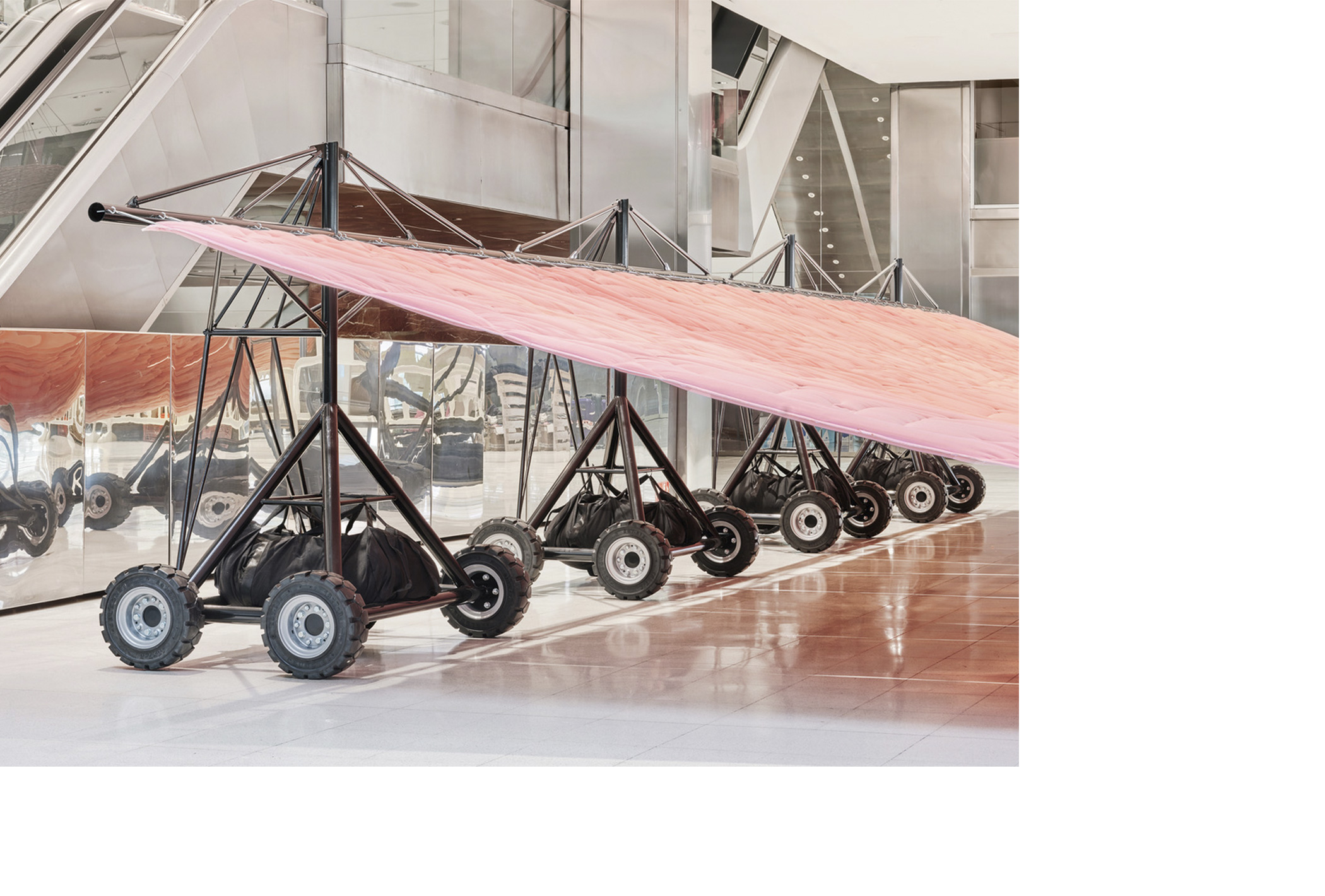
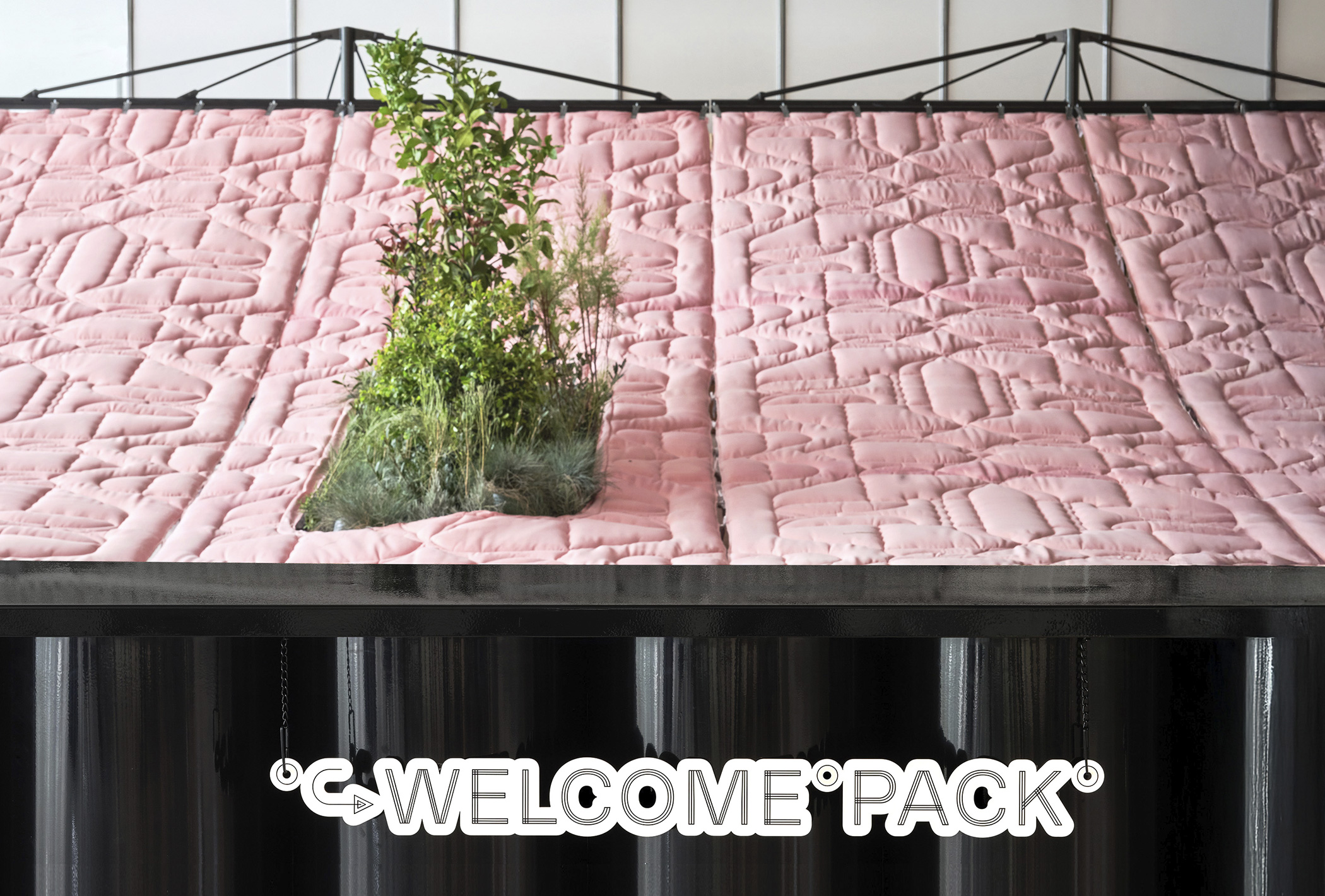
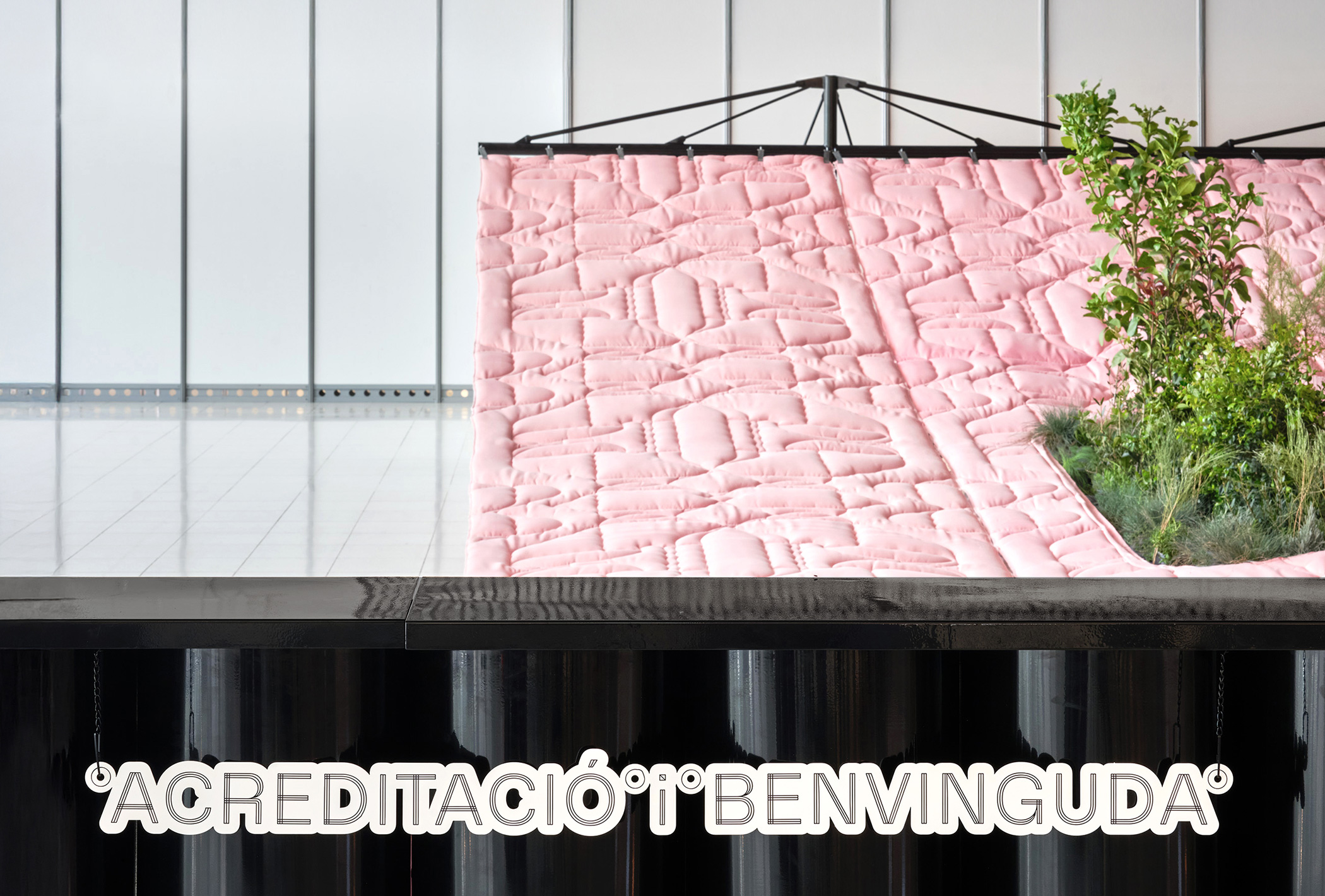
At Mondiacult 2025, large-scale mattresses suspended from cranes, perforated with fragments of landscape composed of species found in archaeological sites across the Mediterranean, welcome visitors and accompany their journey through the different spaces of the Barcelona International Convention Centre. Shrubs such as mastic, esparto grass, and tamarind, together with trees such as the wild olive and the date palm, establish connections with heritage sites throughout the Mediterranean, from Empúries to Cinque Terre, from Abu Mena to Timgad and the kasbahs of Taourirt and Aït Benhaddou. This spatial device frames some of Mondiacult’s key themes, including cultural rights, climate action, and heritage in crisis, with particular emphasis on the culture of peace.
The Graphic Strategy
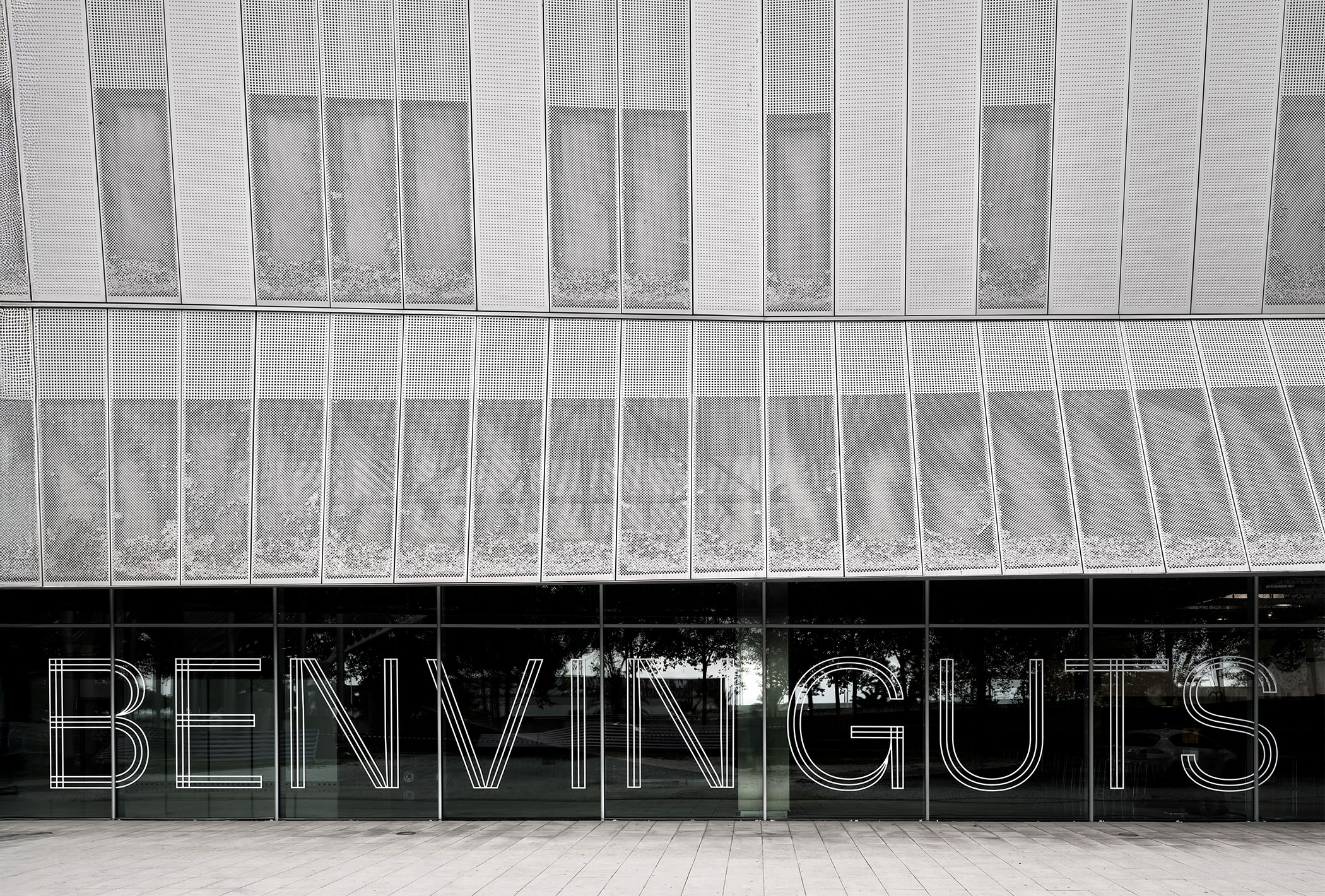
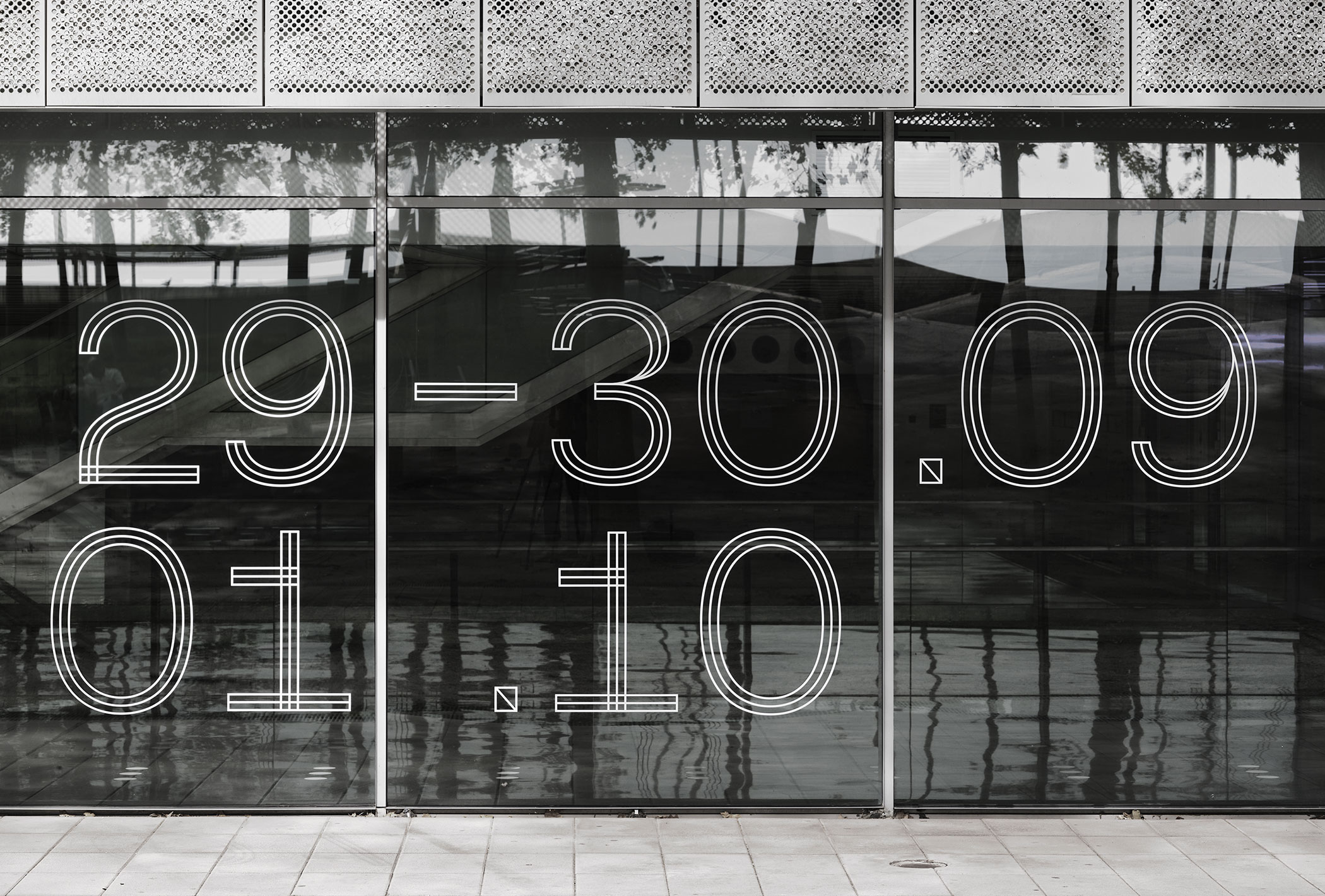
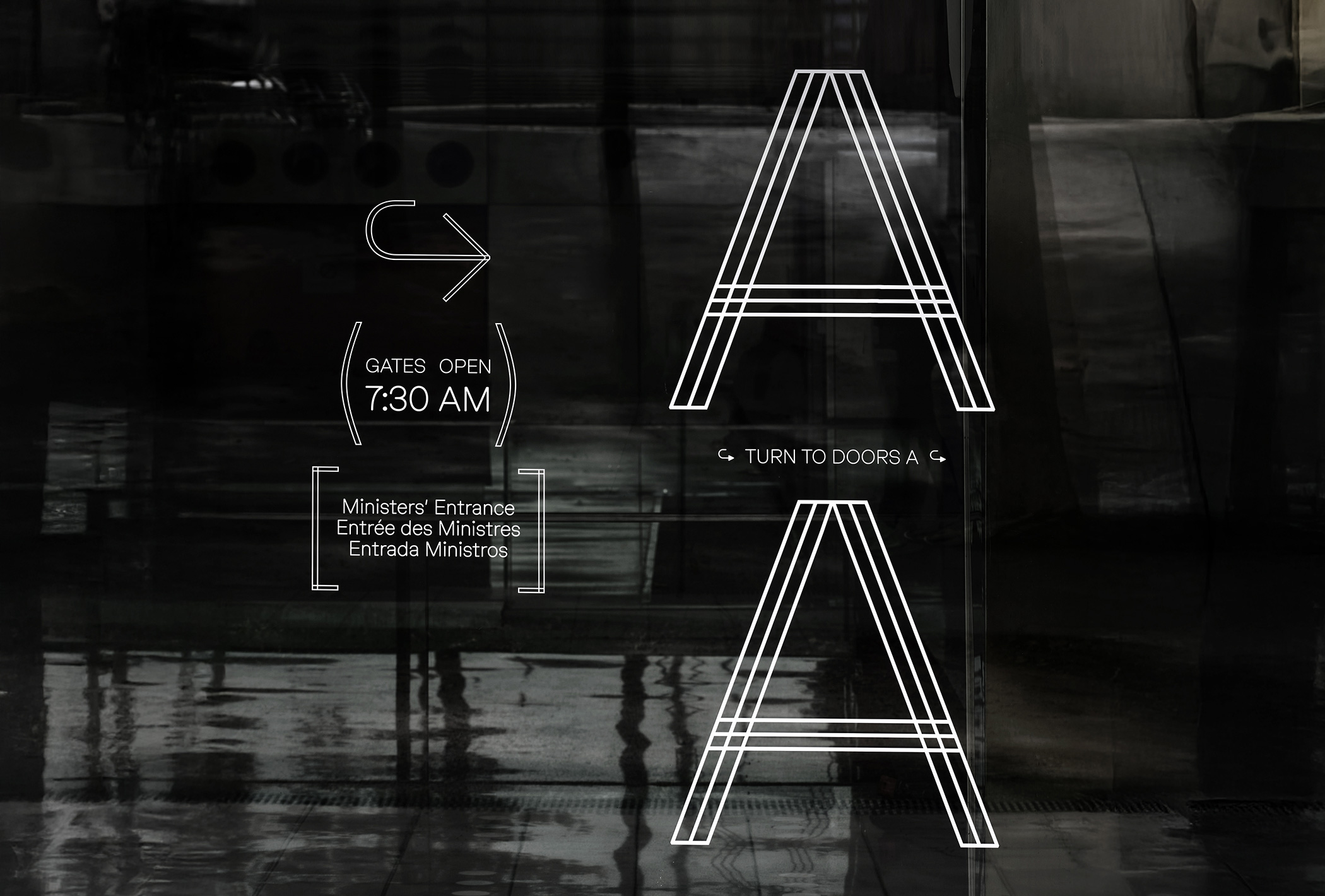
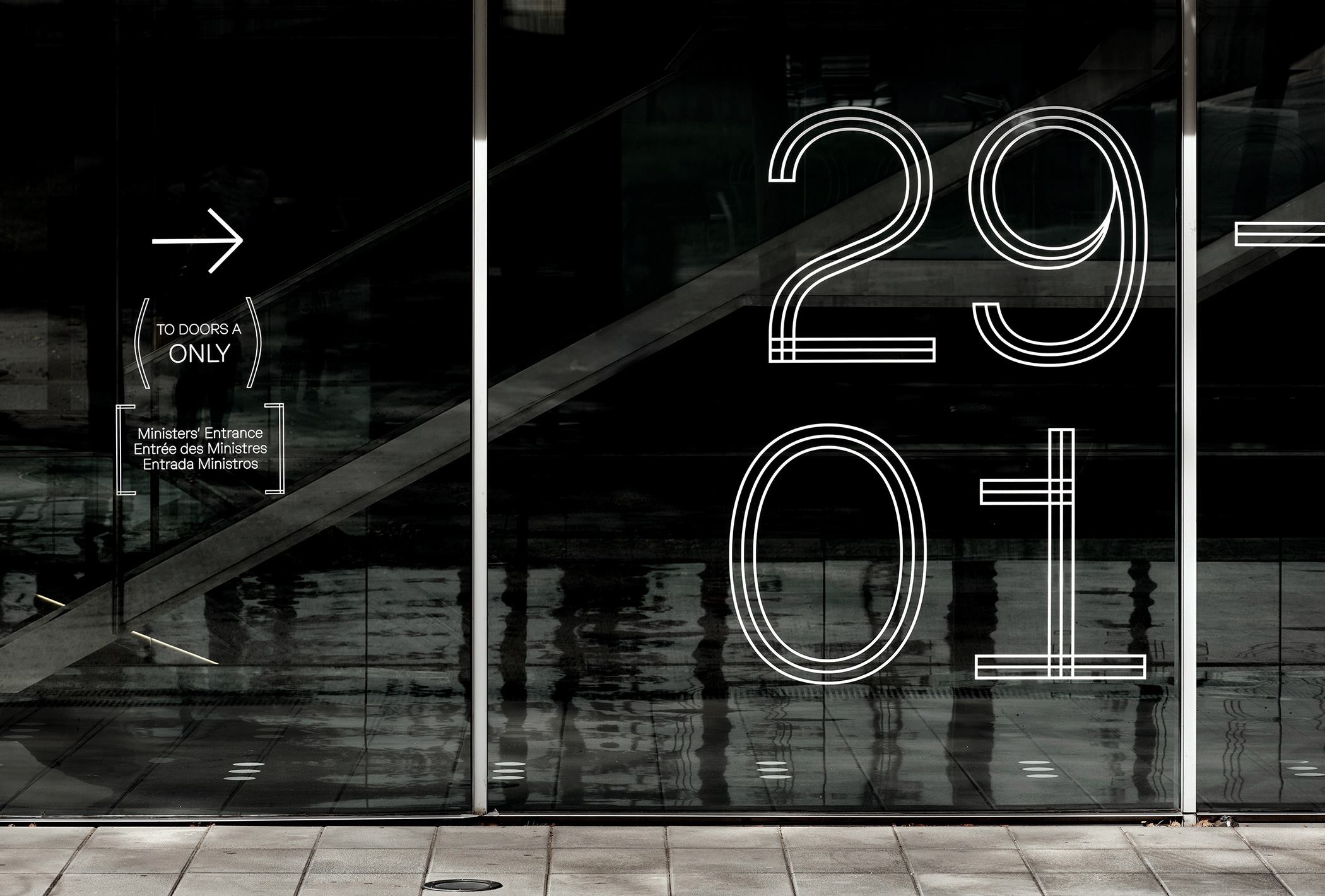
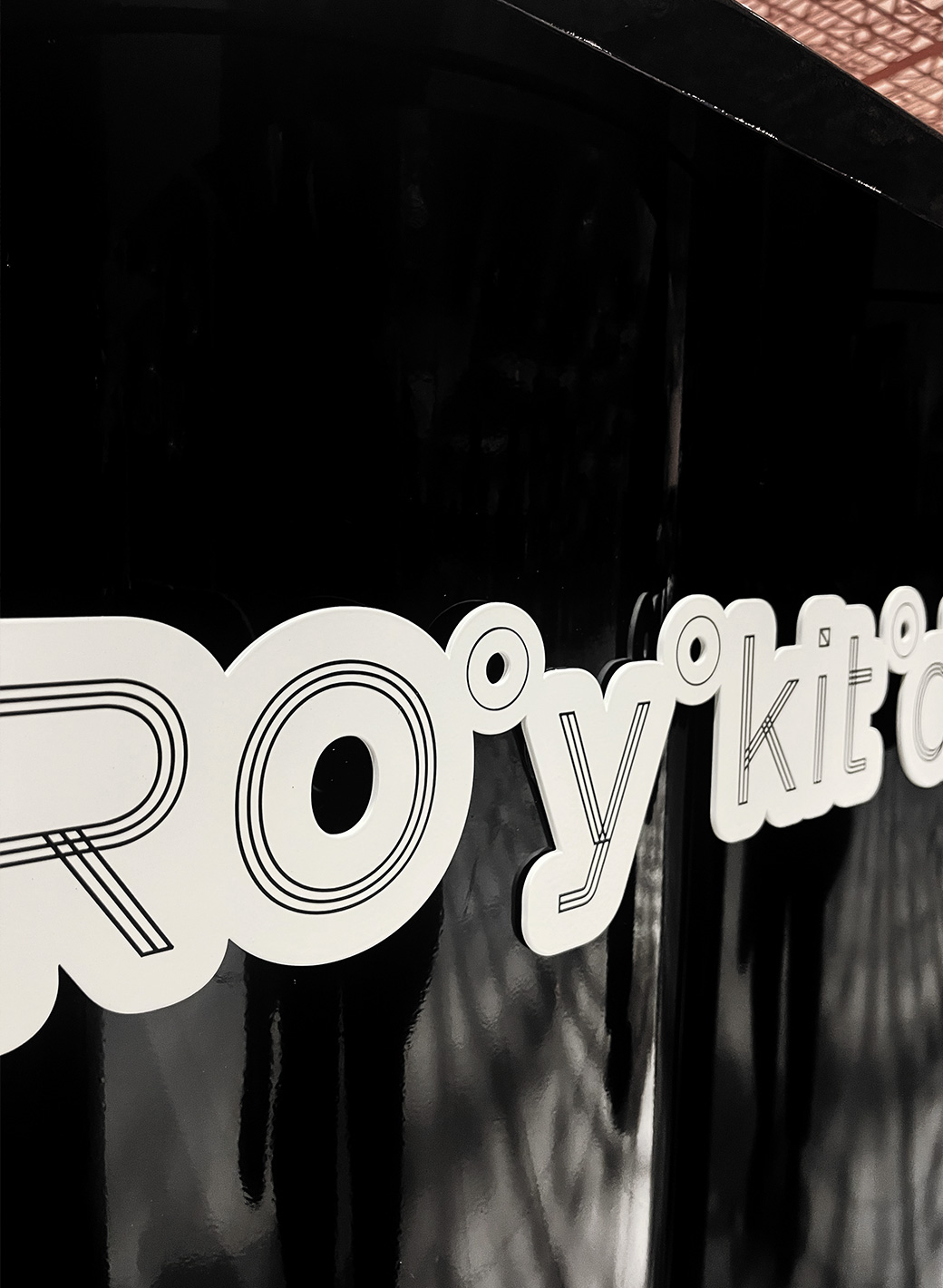
Mondiacult’s graphic system deploys softness as a cultural value. Its typographic and spatial resources convey a sense of care, softening the rigidity usually associated with institutional communication. The multiple layers enveloping the glyphs reinforce this perception and invite visitors to experience the space through a different sensibility. The use of single-line fonts, adapted to CNC machining processes, made it possible to generate patterns for quilting the textile pieces, materializing the abstraction of the design. This approach is grounded in the trajectory of the tool itself: the thickness of the glyphs is achieved through a single pass, while the idea of an envelope emerges from parallel repetitions that overflow the initial form. In this way, each letter not only communicates, but also contributes to shaping an environment that integrates care, protection, and sensory experience.
Sustainability and Second Lives
In order to minimize the material footprint of the event, much of the furniture and equipment produced for Mondiacult 2025 has been conceived with a second life in mind, to be reused and redistributed in support of other small-scale cultural initiatives in Catalonia that may require such resources.
Design: Lluís Alexandre Casanovas Blanco, Paula Chalkho
Design Team: Irene Domínguez, Sofía Marciel, Inés González Paradela
Graphic Design Collaborators: Nuria Hernández, Artur Cos
Structure: Jorge López Hidalgo / Vian Studio
Contractors: Central de Projectes, METADA, GWC
Motion Graphics: Holke, Peter Cobo
Music Composition and Sound Design: Jorge Haro
Photos: José Hevia